Why You Are Sore After Padel (and How to Recover Faster) 2026
This article contains affiliate links. If you buy through them we may earn a small commission at no extra cost to you. Nothing here is medical advice.
You played a great session, and now — a day later — your legs, glutes, and shoulders are screaming. If you are sore after padel, you are in good company: the sport's explosive lateral movement and overhead game work muscles in ways everyday life never does. The soreness is usually normal, but it does not have to knock you out for days. This guide explains exactly why padel leaves you aching, how to tell normal soreness from a warning sign, and the practical steps that get you recovered and back on court faster — plus how to be a little less sore every time.
See our tested-and-ranked picks in Best Recovery Gear for Racket Players on a Budget (2026).
Why you get sore after padel
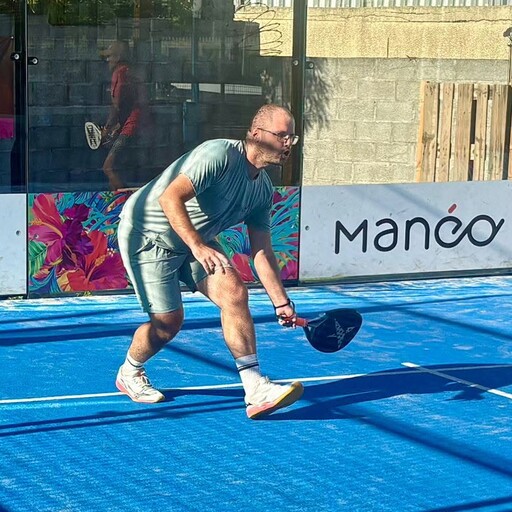
That day-after ache has a name: delayed-onset muscle soreness, or DOMS. It peaks 24 to 48 hours after a session and is caused by tiny, normal micro-damage to muscle fibres, especially from eccentric loading — the braking, decelerating, and lengthening-under-tension that padel is full of. Every hard stop, every lunge to the glass, every overhead reach loads your muscles in exactly the way that produces DOMS. It is most pronounced when you do something new, come back after a break, or ramp up your intensity, which is why you are often most sore after padel early in a season or when you first take up the sport.
Importantly, DOMS is not a sign of damage in the harmful sense — it is part of how muscles adapt and get stronger. Being sore after padel simply means your body is responding to a genuine training stimulus. The goal is not to eliminate it entirely, but to manage it so it does not linger or stop you playing.
Normal soreness or a warning sign?
This distinction matters. Normal DOMS is a dull, generalised ache across whole muscle groups — both quads, both calves, the shoulders — that appears the day after, feels tight and tender, and steadily improves over two to three days. A warning sign is different: sharp, localised pain in one specific spot, pain that appeared suddenly during play (rather than the next day), swelling, or pain that worsens rather than eases. If your soreness looks like the second description, treat it as a potential strain or injury and manage it accordingly rather than pushing through. When you are simply sore after padel in the normal, achy, both-sides way, the recovery steps below are all you need.
How to recover when you're sore after padel
Soreness responds well to a handful of proven steps. The counterintuitive winner is gentle movement: a walk, easy cycling, or light mobility increases blood flow to sore muscles and eases DOMS faster than sitting still. Hydrate and refuel with protein to support the repair process. Sleep is when the real recovery happens, so prioritise it. And recovery tools — a massage gun on tight muscles, compression on tired legs, gentle heat for stiffness — all help you feel better and move more comfortably. None of these are dramatic, but together they meaningfully shorten how long you stay sore after padel.
What does not help is lying completely still and waiting, or jumping straight back into another hard session on top of unrecovered muscles. Aim for the middle: active, gentle recovery that keeps you moving without adding new stress. For a fuller routine, see our guide on how to recover faster after padel.
Soreness recovery toolkit
How to be less sore next time
The best way to deal with soreness is to reduce it at the source. Three habits make the biggest difference. First, warm up properly before you play — muscles that are prepared for load handle it with less damage; our padel warm-up routine takes just minutes. Second, build up gradually — the biggest DOMS hits come from sudden jumps in volume or intensity, so ramp up over weeks rather than all at once. Third, get stronger — conditioned muscles are more resistant to the eccentric loading that causes soreness, so regular strength training means less aching over time.
Cool down with some light stretching after you play, stay on top of hydration and nutrition, and your body will handle padel with progressively less protest. The fitter and better-prepared you are, the less sore after padel you will feel — the same session that wrecks a beginner barely touches a well-conditioned regular.
FAQ: being sore after padel
How long should soreness after padel last?
Normal DOMS peaks at 24-48 hours and eases over two to three days. If soreness lasts longer than that or is sharp and localised, treat it as a possible strain rather than ordinary soreness.
Should I play padel again while still sore?
Light activity is fine and can even help, but avoid another hard session on top of significant soreness. Let the muscles recover first, or keep the next session gentle.
Do ice baths help with padel soreness?
Cold immersion can reduce the feeling of soreness after a hard session. It is a useful tool, though gentle movement, sleep, and hydration remain the foundation of recovery.
Bottom line
Being sore after padel is normal — it is delayed-onset muscle soreness, a sign your body is adapting to the sport's demanding movement. Manage it with gentle activity, hydration, protein, sleep, and recovery tools, and it fades in a couple of days. Reduce it over time by warming up, building volume gradually, and getting stronger. Learn to tell normal soreness from a genuine warning sign, respect the difference, and you can enjoy padel hard without the ache running your week. Evidence sources: DOMS research on PubMed and Mayo Clinic.
Your hour-by-hour recovery plan
What you do in the hours right after playing sets up how you feel the next day. Immediately after: cool down with a few minutes of easy walking and light stretching rather than stopping dead, and start rehydrating. Within an hour: eat a meal or snack combining protein and carbohydrate to kick-start muscle repair. That evening: a few minutes with a massage gun on the tightest muscles, a warm shower or bath for stiffness, and legs up for a while if they feel heavy. Overnight: prioritise sleep, the most powerful recovery tool of all. The next day: keep moving gently — a walk or easy mobility — which eases the ache far better than sitting still. Follow that simple sequence and you will be noticeably less wrecked the day after being sore after padel.
Can food reduce soreness?
Nutrition genuinely influences how sore you feel and how fast you bounce back. Adequate protein spread across the day gives your muscles the building blocks to repair. Anti-inflammatory foods — oily fish, berries, leafy greens, tart cherries — may help take the edge off soreness. Staying well hydrated supports every recovery process, and some players find that tart cherry juice in particular eases DOMS. None of this is a magic bullet, but good fuelling stacks the deck in your favour and complements the movement and sleep that do the heavy lifting. Our guide to nutrition and hydration for racket players covers how to eat for recovery in detail.
Why beginners get hit hardest
If you are new to padel and were floored by soreness after your first few sessions, that is completely normal and, reassuringly, temporary. The first exposures to a new movement pattern produce the most DOMS, because your muscles have not yet adapted. This is called the “repeated-bout effect”: each time you play, your body adapts a little, and the same session produces less soreness next time. Within a few weeks of regular play, the crippling day-after ache fades to a mild, manageable stiffness. So if you are badly sore after padel as a beginner, do not be discouraged — it is a sign you are adapting, and it genuinely gets better fast. Just build up sensibly and let your body catch up. For the bigger picture on bouncing back between sessions, our complete recovery guide pulls it all together.
Listen to your body
Finally, treat soreness as feedback rather than something to simply push through or ignore. Mild, general soreness is a green light to keep training with sensible recovery. Heavy, lingering soreness that does not improve is your body asking for a lighter week or more rest — and honouring that request prevents the slide from healthy fatigue into overtraining and injury. Over time you will learn your own patterns: which sessions leave you sore after padel, how long you take to bounce back, and what recovery steps work best for you. That self-knowledge is one of the most valuable things a player can develop, because it lets you train hard and stay healthy. Respect the signal, adjust as needed, and padel stays a source of enjoyment rather than a cycle of aches.