How to Prevent Padel Injuries: The Complete 2026 Guide
This article contains affiliate links. If you buy through them we may earn a small commission at no extra cost to you. Nothing here is medical advice.
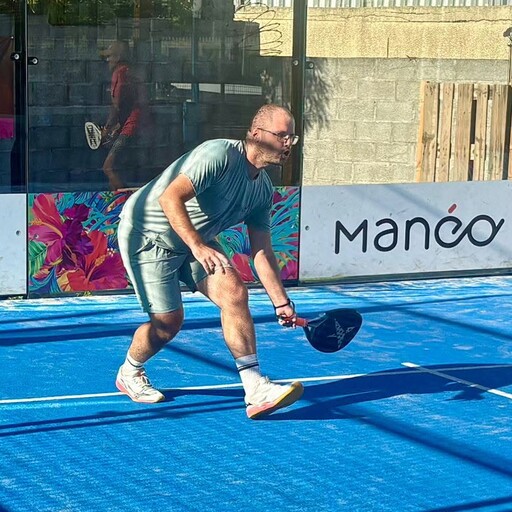
Padel is one of the fastest-growing sports in the world, and with that growth has come a wave of avoidable injuries. The sport looks gentle — small court, underarm serve, sociable doubles — but the reality is a game of explosive lateral pushes, overhead smashes, deep lunges to the glass, and constant stop-start movement. Learn how to prevent padel injuries before they happen and you protect not just your body but your enjoyment of the game for years to come. After decades in racket sports and my own switch to padel, I have researched what actually keeps players on court. This is the complete, evidence-based prevention guide: why padel causes injuries, the specific risks by body part, and the seven-part system that dramatically lowers your chances of getting hurt.
See our tested-and-ranked picks in Best Recovery Gear for Racket Players on a Budget (2026).
Why padel causes injuries in the first place
Understanding the mechanism is the first step in prevention. Padel loads the body in three demanding ways. First, rapid lateral movement and deceleration — you are constantly pushing off sideways and stopping hard, which stresses the knees, ankles, and calves. Second, the overhead game — the smash, the bandeja, the vibora — repeatedly loads the shoulder and lower back in extension. Third, the grip and impact of striking the ball, which strains the forearm, elbow, and wrist over thousands of repetitions.
Layer on top of that the things most amateurs get wrong — playing on cold muscles, weak conditioning, poor technique, worn shoes, and too much play too soon — and injury becomes almost predictable. The good news is that every one of those risk factors is within your control. That is the whole premise of learning how to prevent padel injuries: you cannot change that the sport is demanding, but you can prepare your body to meet those demands.
The most common padel injuries
Knowing how to prevent padel injuries is easier when you understand what you are up against. These are the injuries padel players meet most often, each with a dedicated recovery guide if you are already dealing with one:
- Knee pain — from lateral loading and lunging (padel knee pain recovery)
- Lower back pain — from the twisting and arching of the smash (padel lower back pain recovery)
- Calf strains — from explosive push-offs (padel calf strain recovery)
- Elbow and forearm pain — from grip and impact (forearm and grip recovery)
- Wrist pain — from the flick and snap of shots (padel wrist pain recovery)
- Shoulder problems — from the overhead game (shoulder impingement recovery)
Notice the pattern: almost all of these are overuse injuries that build gradually, which means almost all of them are preventable. The rest of this guide shows you exactly how.
How to prevent padel injuries: the 7-part system
There is no single trick to staying injury-free — it is the combination of these seven habits that protects you. Master them and you address every major risk factor the sport throws at you.
1. Build padel-specific strength
Strength is the foundation of injury prevention. Strong legs absorb the lateral loading that would otherwise strain knees and ankles; a strong core protects the lower back during the smash; strong forearms tolerate the grip. Two short sessions a week focused on squats, lunges, glute work, core stability, and forearm strengthening make your whole body more resilient. If you do only one thing from this guide, make it this — see our strength training guide for racket players for the essentials.
2. Warm up before every single match
Cold muscles are stiff muscles, and stiff muscles tear. The majority of acute padel injuries — pulled calves, tweaked shoulders — strike in the first few minutes because players walk on court cold and immediately push, sprint, and smash. A five-to-eight-minute dynamic warm-up raises your muscle temperature, mobilises your joints, and primes your nervous system. Never skip it; follow our padel warm-up routine every time.
3. Sharpen your technique and footwork
Good technique is quietly one of the best injury-prevention tools there is. Generating your smash power from the legs and trunk rather than over-arching the lower back protects the spine; efficient footwork means you reach balls in balance rather than lunging desperately and straining. A session or two with a coach for a technique check is a genuine investment in your health, not just your game. Build a base with our footwork fundamentals.
4. Wear the right shoes — and replace them
Padel-specific shoes provide the lateral stability and cushioning the sport demands, and worn-out shoes lose both, sending extra load into your knees, ankles, and calves. Check your soles regularly and replace shoes before the grip and cushioning are gone. Proper footwear is a frontline defence, especially for the lower limbs — our guide to the best padel shoes for injury prevention covers what to look for.
5. Manage your training load
The single biggest driver of overuse injury is doing too much, too soon. Ramp up your playing volume gradually, especially at the start of a season or after a break, and avoid stacking too many hard sessions back to back. Your tissues adapt to load over weeks, not days — respect that timeline and you avoid the overload that causes most tendon and muscle problems. This matters most during busy periods like tournaments and multi-match days.
6. Prioritise recovery between sessions
Recovery is not the opposite of training — it is part of it, and it is where your body actually adapts and gets stronger. Sleep well, move gently on rest days, and use tools like massage guns, compression, and cold or heat therapy to help tired tissues bounce back. A body that is well recovered is far more injury-resistant than one that is chronically fatigued. Our complete recovery guide ties it all together.
7. Fuel and hydrate properly
Dehydrated, under-fuelled muscles fatigue and cramp faster, and fatigue is when technique breaks down and injuries happen. Hydrate before, during, and after play — especially in the heat — and eat enough protein to support tissue repair. Nutrition and hydration are the least glamorous part of injury prevention and among the most effective. Get the basics right and every other habit on this list works better.
Body-part prevention at a glance
Each area has a simple prevention priority. For the knees, strong quads and glutes plus good shoes are your defence. For the shoulder, rotator-cuff strengthening and smash technique matter most. For the lower back, a strong core and smash mechanics that do not over-arch the spine. For the elbow and wrist, the right grip size, a relaxed grip pressure, and forearm strengthening. For the calves and Achilles, year-round calf raises and a proper warm-up. Match your prevention work to the areas you are most prone to, and you have a personalised plan for how to prevent padel injuries in your own game. Reference the common injuries guide for the full picture, and consult reliable resources like the AAOS for general injury-prevention principles.
Prevention & recovery essentials
A simple weekly injury-prevention template
Here is how the seven habits fit into a normal week for a player on court three times. On play days: warm up, play, cool down with light stretching, refuel and hydrate. Slot two 20-minute strength sessions on non-play days, covering legs, core, and forearms. Keep one genuine rest day, and use recovery tools on the day after your hardest session. Sleep seven to nine hours throughout. That is the entire system — unglamorous, repeatable, and genuinely protective. Consistency, not intensity, is the real secret to how to prevent padel injuries.
FAQ: how to prevent padel injuries
What is the most common padel injury?
Lower-limb issues — knee pain and calf strains — top the list, driven by lateral movement and explosive push-offs, closely followed by shoulder and elbow problems from the overhead game and grip.
Can you really prevent padel injuries?
You cannot eliminate all risk, but you can dramatically reduce it. Most padel injuries are overuse issues caused by controllable factors — weak conditioning, no warm-up, poor technique, worn shoes, too much volume. Fix those and injuries become rare.
How important is warming up for padel?
Very — most acute injuries strike cold muscles in the first minutes of play. A five-to-eight-minute dynamic warm-up is one of the highest-return injury-prevention habits you can build.
Bottom line
Knowing how to prevent padel injuries comes down to a controllable system: build strength, warm up every time, sharpen technique, wear the right shoes, manage your load, recover well, and fuel properly. None of it is complicated, and all of it is within your control. Padel is a sport you can enjoy for decades — treat prevention as part of the game, not an afterthought, and you will spend far more time on the court and far less time recovering off it. Evidence sources: AAOS OrthoInfo and PubMed.
Prevention includes acting early
An often-missed part of learning how to prevent padel injuries is knowing that prevention does not stop when a niggle appears — it continues by catching that niggle before it becomes a real injury. The players who end up sidelined are rarely those with the worst luck; they are the ones who ignored the early warning signs and kept playing through a grumbling knee, a tight calf, or an aching shoulder. When something first complains, back off the load, address it with gentle care, and let it settle. A two-day pause now prevents a two-month lay-off later. Treat early symptoms as information, not inconvenience, and you turn everyday aches into non-events rather than the start of your next injury.
Prevention for older padel players
Padel attracts a lot of players later in life, and that group needs to be especially deliberate about prevention. With age, muscles lose elasticity and tendons take longer to adapt, so the jump from a sedentary week to an intense session is a classic setup for injury. If that describes you, the advice on how to prevent padel injuries shifts from optional to essential: build a strength base before your season, warm up without fail, ramp your volume gently, and give recovery the respect it deserves. Done that way, padel is a wonderful lifelong sport. The experience and patience that come with age are actually an advantage — you can read your body's signals and are more willing to take the rest day that keeps you healthy.
The prevention mindset: consistency beats intensity
If there is one idea that ties this whole guide together, it is that injury prevention is a habit, not a one-off effort. You do not prevent padel injuries with a single heroic gym session or one great warm-up — you prevent them with the boring, repeated basics done week in and week out. Two short strength sessions, a proper warm-up every match, sensible load management, and consistent recovery will protect you far more than any gadget or quick fix. The players who stay on court into their later years are simply the ones who made these habits automatic. Learning how to prevent padel injuries is really learning to make prevention a permanent, low-effort part of how you play — and that is a habit that pays dividends for as long as you keep picking up a racket.
Start small: pick two habits from the seven-part system above and make them automatic this month, then add another next month. Within a season you will have built a complete prevention routine without it ever feeling like a chore — and your body will show it, on court and off.